
Some of the most effective manual therapies are also the gentlest. Craniosacral therapy, often shortened to CST, uses touch so light that many patients describe it as barely there, yet it has become a sought-after option for families with newborns, adults with stubborn headaches and active people looking for a calmer form of recovery work.
If you have been searching for craniosacral therapy in the Indianapolis area, you have probably noticed that it is offered by very different kinds of practitioners, from massage therapists to chiropractors to osteopathic physicians. This guide explains what CST is, where it came from, who it may help, what a session actually feels like, what the research does and does not show, and how to choose a qualified provider in Indianapolis, Carmel and the surrounding communities.
What Is Craniosacral Therapy?
Craniosacral therapy is a gentle, hands-on technique in which a practitioner uses very light pressure, often described as about the weight of a nickel, on the skull, face, spine and sacrum (the triangular bone at the base of the spine). The goal is to identify and ease restrictions in the tissues surrounding the brain and spinal cord and to support the body's natural ability to regulate and heal.
Unlike deep tissue massage or high-velocity spinal adjustments, CST involves no forceful movements. Most of the time the patient lies fully clothed on a treatment table while the practitioner holds specific areas, follows subtle tissue motion and applies gentle, sustained pressure.
Where CST Comes From: Osteopathy in the Cranial Field
Craniosacral therapy has its roots in osteopathic medicine. In the early twentieth century, William Garner Sutherland, DO, a student of osteopathy's founder, developed an approach known as osteopathy in the cranial field. He proposed that the bones of the skull retain small degrees of motion and that this motion relates to the membranes and fluid surrounding the brain and spinal cord.
Decades later, in the 1970s, John Upledger, DO, an osteopathic physician, built on this work and popularized the term craniosacral therapy. His training programs made the technique widely available to other health professionals, which is why CST is now offered by many different types of practitioners.
How Practitioners Describe the Mechanism
Practitioners describe a subtle rhythm in the craniosacral system, sometimes called the cranial rhythmic impulse, and use their hands to assess and influence it. Many also describe CST as calming to the nervous system, helping shift the body from a stressed, fight-or-flight state toward a more relaxed, restorative one.
It is worth being honest that the exact mechanism is still debated, and some proposed explanations have not been confirmed by research. What patients and clinicians consistently report is that the treatment is deeply relaxing and, for some conditions, associated with meaningful symptom relief.
Who Might Consider Craniosacral Therapy?
Because the touch is so gentle, CST is used across an unusually wide age range, from newborns to adults in their 90s.
Newborns and Infants
Birth places significant pressure on a baby's head, especially after a long labor, an assisted delivery or a C-section. Parents often seek cranial care when a baby has:
- Difficulty latching, weak suckling or trouble breastfeeding
- Colic, persistent fussiness or restless, agitated sleep
- Head shape concerns after a difficult birth
- A preference for turning the head to one side
With infants, treatment is often performed while a parent holds the baby, and many little ones fall asleep during the session. Cranial care should always complement, not replace, care from your pediatrician and lactation consultant.
Children
Older children may be brought in for restlessness, poor sleep, recurrent headaches or recovery after falls and minor injuries. The non-invasive nature of CST makes it easier for children to tolerate than many other hands-on therapies.
Adults with Headaches, Neck Pain and Tension
Adults commonly try CST for tension-type headaches, migraines, neck pain, jaw tension, sinus congestion and stress-related symptoms. It is especially popular with people who have not tolerated more forceful manual treatments or who prefer a non-invasive approach.
Runners and Active Adults
Athletes and recreational runners often accumulate tension through the neck, upper back and pelvis, and a hard training block can leave the nervous system running hot. Some active adults use CST, usually alongside other osteopathic techniques, as a calming recovery session after injury or during periods of heavy training. It is not a substitute for proper diagnosis of an injury, but it can be part of a broader recovery plan.
What Happens During a Craniosacral Therapy Session?
Knowing what to expect makes a first visit easier, especially for parents bringing in an infant.
- History and goals. Your practitioner will ask about your symptoms, medical history, any injuries and, for babies, details of the pregnancy and birth.
- Structural examination. A trained practitioner assesses posture, motion and areas of restriction, often well beyond the head itself.
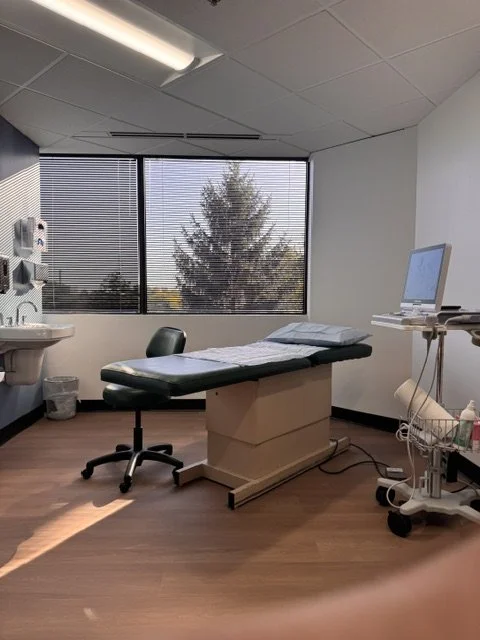
- Treatment. You lie comfortably on a table, fully clothed. The practitioner places their hands lightly on areas such as the skull, the base of the neck, the upper back or the sacrum and holds or gently guides the tissues.
- Integration. Many people feel warmth, deep relaxation or a sense of release. Some fall asleep.
- Aftercare. Your practitioner will explain how often to return. Some concerns improve after a single visit, while others benefit from a short series of sessions.
Most sessions are painless. Some adults notice mild soreness, tiredness or a headache for a day or so afterward, which typically settles on its own. Tell your practitioner about any new or worsening symptoms.
What Does the Research Say?
The scientific evidence for craniosacral therapy is mixed and still developing. Some small randomized trials and systematic reviews have reported improvements in chronic neck pain, headache and quality of life compared with sham or usual care. Other reviews have concluded that study quality is variable and that larger, better-designed trials are needed. Evidence for infant conditions such as colic is limited and inconsistent.
In practical terms, CST is very low risk when performed by a qualified practitioner, many patients find it helpful and relaxing, and it works best as part of a broader treatment plan rather than as a stand-alone cure. Be cautious of anyone who promises that CST will cure serious medical conditions.
CST as Part of a Broader Osteopathic Plan
In osteopathic medicine, cranial treatment is one technique within a larger toolbox called osteopathic manipulative treatment, or OMT. A doctor of osteopathic medicine (DO) may combine CST with myofascial release, counterstrain, soft tissue work and other gentle techniques, depending on what the examination shows.
This matters because the source of a problem is not always where the symptom appears. A headache may be driven by restrictions in the upper back or ribs. Neck pain may relate to how the pelvis is moving. An infant's feeding difficulty may involve tension in the neck and jaw as well as the skull. A physician who examines the whole body is more likely to treat the cause rather than only the symptom, and is also trained to recognize when a symptom needs medical imaging, testing or referral.
Choosing a Craniosacral Therapy Provider in Indianapolis
Because CST is taught to many types of practitioners, training levels vary widely. Use these points to compare options:
- Medical training. An osteopathic physician (DO) can diagnose, order tests and rule out serious causes before treating. Other practitioners may have excellent hands-on skills but a narrower scope.
- Experience with your age group. If you are bringing in a newborn, ask how often the practitioner treats infants.
- Board certification. Board certification in Neuromusculoskeletal Medicine or Osteopathic Manipulative Medicine indicates advanced training in hands-on osteopathic care.
- A clear plan. You should leave the first visit knowing what was found, what was treated and how many visits are likely.
- Honest expectations. Good practitioners explain what CST can and cannot do.
For families and adults looking for craniosacral therapy Indianapolis Indiana residents can reach easily, a physician-led practice in Carmel is a short drive from northern Indianapolis, Zionsville and Fishers. Dr. Dan Williams, a board certified osteopathic physician and Fellow of the American Academy of Osteopathy, uses CST as part of cranial osteopathic treatment for patients ranging from newborns to older adults.
Questions to Ask Before Your First Visit
- What is your training in cranial or craniosacral therapy?
- Do you treat infants and children, and how often?
- Will you examine areas beyond the head and neck?
- How many sessions do patients with my concern usually need?
- Do you combine CST with other techniques?
- Do you accept insurance or provide a superbill for reimbursement?
- What should I bring, such as prior imaging or medical records?
Frequently Asked Questions
What is craniosacral therapy?
Craniosacral therapy (CST) is a gentle, hands-on technique that uses very light touch on the head, spine and sacrum to ease tissue restrictions and support the body's natural regulation. It developed from osteopathic medicine and is commonly used for infants, children and adults.
Is craniosacral therapy safe for newborns?
When performed by a trained practitioner, CST is considered very low risk for newborns because the pressure is extremely light. Treatment is often done while a parent holds the baby. It should complement care from your pediatrician, not replace it.
Does craniosacral therapy hurt?
Most people feel no pain during CST. Many describe it as deeply relaxing. Some adults notice mild soreness, tiredness or a short-lived headache in the day or two after treatment, which usually resolves on its own.
How many craniosacral therapy sessions will I need?
It depends on the concern. Some infants and adults improve after one visit, while longer-standing problems may benefit from a series of sessions. Your practitioner should recommend a schedule after the first examination.
What conditions is craniosacral therapy used for?
CST is commonly used for infant feeding and latching difficulties, colic and restless sleep, as well as headaches, migraines, neck pain, jaw tension, sinus congestion and stress-related symptoms in adults. Research support varies by condition, so it works best as part of a broader plan.
Who provides craniosacral therapy in Indianapolis, Indiana?
CST is offered by osteopathic physicians, massage therapists, chiropractors and other practitioners in the Indianapolis area. An osteopathic physician (DO) adds the ability to diagnose, order tests and combine CST with other osteopathic techniques, which many patients find reassuring.
Final Thoughts
Craniosacral therapy is not a miracle cure, but it is a gentle, low-risk option that many families and adults in central Indiana find genuinely helpful, particularly for infant feeding struggles, recurring headaches and tension that has not responded to other care. The key is choosing a qualified practitioner who examines the whole body, explains the plan clearly and knows when something needs further medical attention.
This article is for general educational purposes and is not a substitute for personal medical advice. Consult a licensed healthcare provider about your specific symptoms.